
Looking Up Rancho Cordova Neighbors
A block lookup begins with a seed address or APN and expands only to parcels that touch or sit near it. Each source describes a different layer. The parcel map shows geometry. The assessment roll shows owner and mailing data through the proper channel. The Recorder shows transfers and liens. Permits show work and applicants. Haines volumes show earlier listed occupants. Voter data is restricted and cannot be used as an open street roster.
| Source | What it shows about a block | Access |
|---|---|---|
| Assessor Parcel Viewer | Adjacent parcels, APNs, situs, value, and land use | Free map browse |
| Assessor roll | Owners and mailing addresses | Lobby computer or NextRequest |
| Recorder index | Ownership changes, liens, and party chains | Free index; paid images |
| City permit and code files | Address-based work, cases, applicants, and inspections | Portal or public-record request |
| Approved voter file | Eligible registrants by address or precinct | Application, ID, fee, and purpose rules |
| Haines criss-cross | Historical address-to-listed-occupant clues | Library or archive collection |
| Neighborhood Watch | Volunteer contact structure and service route | Neighborhood Services or RCPD |
The table describes a block evidence map, not a complete neighbor list. A source is useful when its limits travel with its result.
Click Parcels Around One Rancho Cordova Address
The Sacramento County interactive parcel map supports address and APN locating, pan, zoom, parcel clicks, and map access. Search the seed address, zoom until parcel outlines and labels appear, click the seed polygon, record its APN, then click each touching or nearby polygon. Pan along both sides of the street. The current map does not document a public radius-export tool.
After the map pass, add owner names through the Assessor lobby or a records request. Compare each parcel with recorded deeds and land-use or zoning data. A map overlay is a routing aid. The county's parcel disclaimer says assessment lines are not a legal survey.
That flow is simple: seed address, adjacent APNs, Assessor owner request, Recorder chain, then any permit or historical directory check. The APN keeps the block work tied to the right parcel as street labels and ZIP descriptions vary.
Map proximity supplies the next APN to check; it does not supply a complete household name.
Rancho Cordova Owners Are Not All Neighbors
The word neighbor can mean a touching parcel, a nearby address, a listed occupant, a tax owner, or a person known in a community. Official records do not make those meanings interchangeable. A mailing address may be elsewhere. A trust or business may hold title. A multiunit parcel may contain many unlisted people. A permit applicant may be a contractor or designer.
Use a source-specific label in notes: “owner shown in assessment request,” “party to recorded deed,” “listed occupant in a Haines volume,” or “authenticated voter entry.” Do not collapse those into “lives next door.” Dates matter too. A deed is a transfer event. A permit is a work event. A directory is a publication snapshot.
This distinction makes Rancho Cordova neighbors research more accurate and more respectful. The goal is to understand the block's public record geography, not to invent a household roster.
Rancho Cordova Neighbor Owner Requests
The free web parcel view suppresses owner information even though owner and mailing fields are public assessment-roll data. Sacramento County directs searchers to the Assessor lobby computers, direct contact, or free electronic production through its records request route. The request should identify the APN or exact situs, desired owner or mailing field, and any needed date span.
Compare the returned owner or mailing information with the Recorder's party index. A matching name and legal description can support a property link. A different mailing address can show where tax mail goes, not where a person lives. Parcel geometry, value, land-use code, and zoning remain separate fields.
Free lobby access is a useful local insider tip. It shows why a Rancho Cordova neighbors search should pair the web map with the custodian rather than treat the map as incomplete or the owner field as hidden forever.
Use the office channel for the field the map does not display, then preserve the request date with the result.
Rancho Cordova Neighbor Voter Data
Sacramento County's voter-file information page describes approved-purpose access, an application, driver-license identification, fees, preparation timing, and a use agreement. The county lists an $80 voter file, $105 custom file, and paid voting-activity subscriptions. California Elections Code sections 2188 and 2194 limit release to approved election, scholarly, journalistic, political, or governmental purposes. A general request for every voter on a block is not a public browse.
The county self-lookup asks for street number, ZIP, and date of birth. It is for personal authentication. Driver-license numbers, Social Security numbers, signatures, confidential voters, and Safe at Home addresses remain protected. Participation history means elections in which a voter participated, not ballot selections.
The Sacramento County voter-file information page displays the county access and restriction path that applies when neighbors research reaches the election layer.
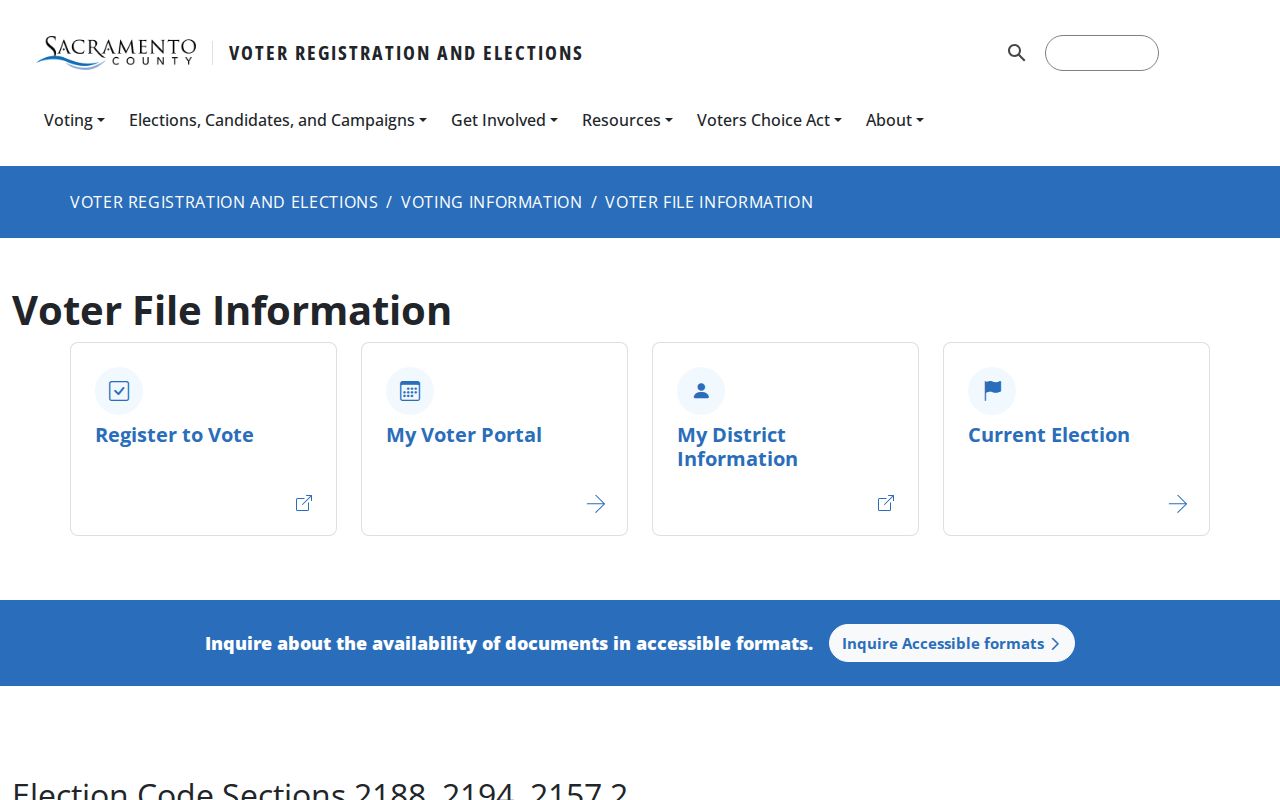
The county application route is distinct from the self-service form and should be used only for an approved purpose.
The state voter-file request page displays the access and restriction path that applies when neighbors research reaches the election layer.
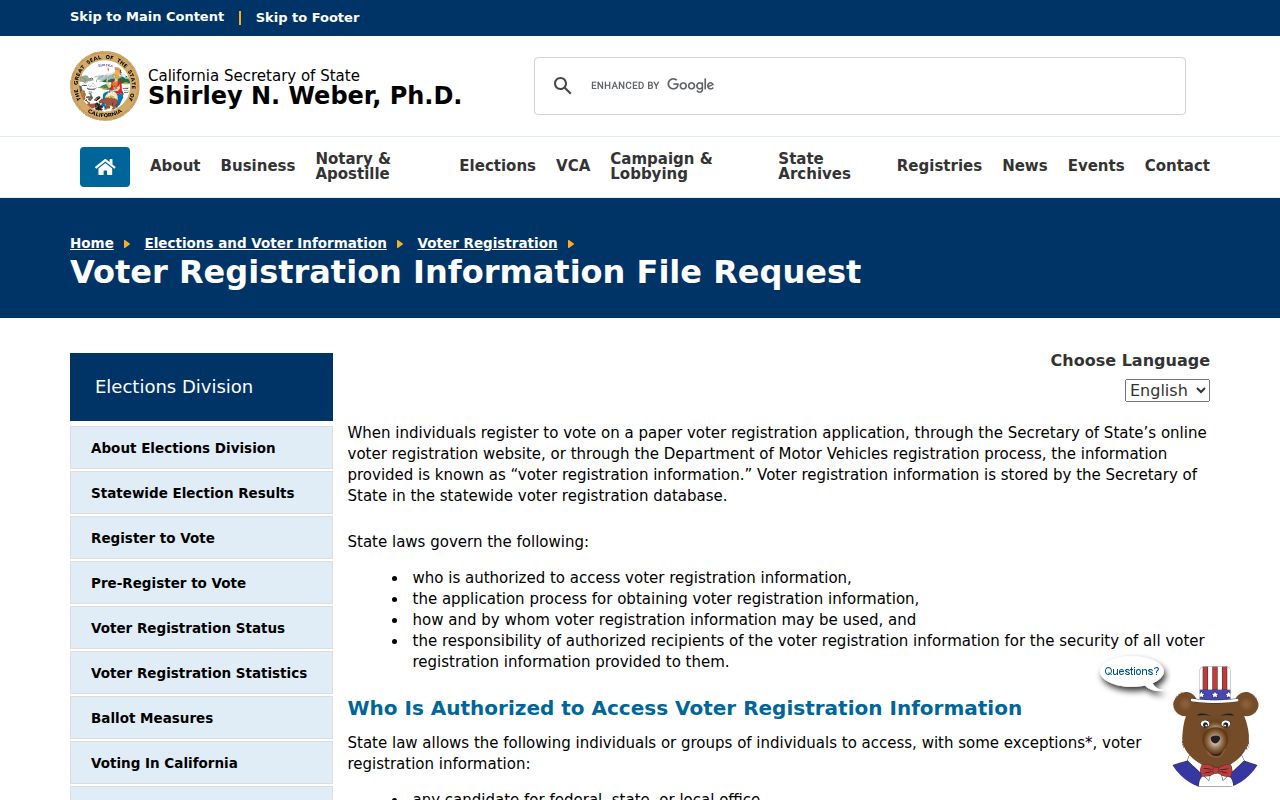
A block search should use the self-service route only for the person who can authenticate, or the approved application route for a documented purpose.
Rancho Cordova Neighbor Permits by Address
Rancho Cordova Online supports permits, plans, payments, uploads, inspection scheduling, and document or status review. Building and Safety can add permit cards, inspections, plans, certificates of occupancy, and related address evidence through the portal, counter, or a public-records request. Neighborhood Services can also hold pet, hen, code, and neighborhood-watch material, but privacy review applies to personal or sensitive details.
Permits and code cases show an address-based event. They may list an applicant, contractor, work description, issue or final date, valuation, parcel, inspection milestone, or status. They do not identify every household member or prove that an applicant occupied the address. City records begin with the 2003 incorporation line; earlier files may be with Sacramento County.
A focused request names the department, address or APN, record type, and date range. It asks for an existing file, not a new list of all neighbors.
Rancho Cordova Neighbor Blocks in Haines
Historical neighbors can be approached through Haines Sacramento City and Suburban directories documented across 1984-2018, plus earlier Sacramento city, county, and telephone books. The reverse section begins with an address and can show a listed occupant or telephone. The alphabetical section can add an occupation, spouse, employer, or abbreviation. Scan the seed address, then compare the block and both sides of the street.
Do not treat a missing name as proof that a parcel was empty. Directory canvass, unlisted numbers, alternate spelling, publication boundaries, and year gaps all create omissions. The Sacramento Room and Center for Sacramento History collections can help identify the correct volume. The historical shelf belongs to the Rancho Cordova city directory collection route; the neighbors angle uses it for a dated block clue.
Pair an older listed occupant with a deed, obituary, census, or permit before calling the person a former neighbor. That second source supplies the context the reverse directory lacks.
Rancho Cordova Neighborhood Watch Layer
Neighborhood Services supports Neighborhood Watch and city service reporting. Rancho Cordova Connect can geolocate an address, accept an issue type and optional photo, and return a status. Those tools create a civic evidence layer around a block. They do not publish a household roll, HOA membership list, congregation list, or watch roster.
Neighborhood Services
City resources for residents and businesses
Neighborhood Watch and service-reporting routes; requester and privacy review can affect what becomes public.
Rancho Cordova Connect
Address-geocoded civic report layer
Issue category, optional photo, and status can describe a service case without naming a household.
The city has not published a current exhaustive neighborhood-association or HOA inventory with public member directories. Verify a named group through city planning documents, corporate records, or the group's own public channel rather than inventing an association or roster.
Rancho Cordova Neighbor Safety Records
County and state custody tools can be relevant to a public-record question while still being poor neighbor evidence. Sacramento Sheriff inmate information focuses on current or recent custody. California's CIRIS focuses on state incarcerated records. Megan's Law provides an official registry with statutory warnings and search modes. None is a complete list of people at a block, and a marker or booking record does not prove current residence or guilt.
Use only the official route and read its legal notices. The Sacramento Sheriff search can be checked for a custody question. The CIRIS search covers state custody. The California Megan's Law site warns against prohibited use and discrimination. These are record-specific tools, not substitute neighbor directories.
The state custody search illustrates the difference between a public record category and a complete neighborhood list.
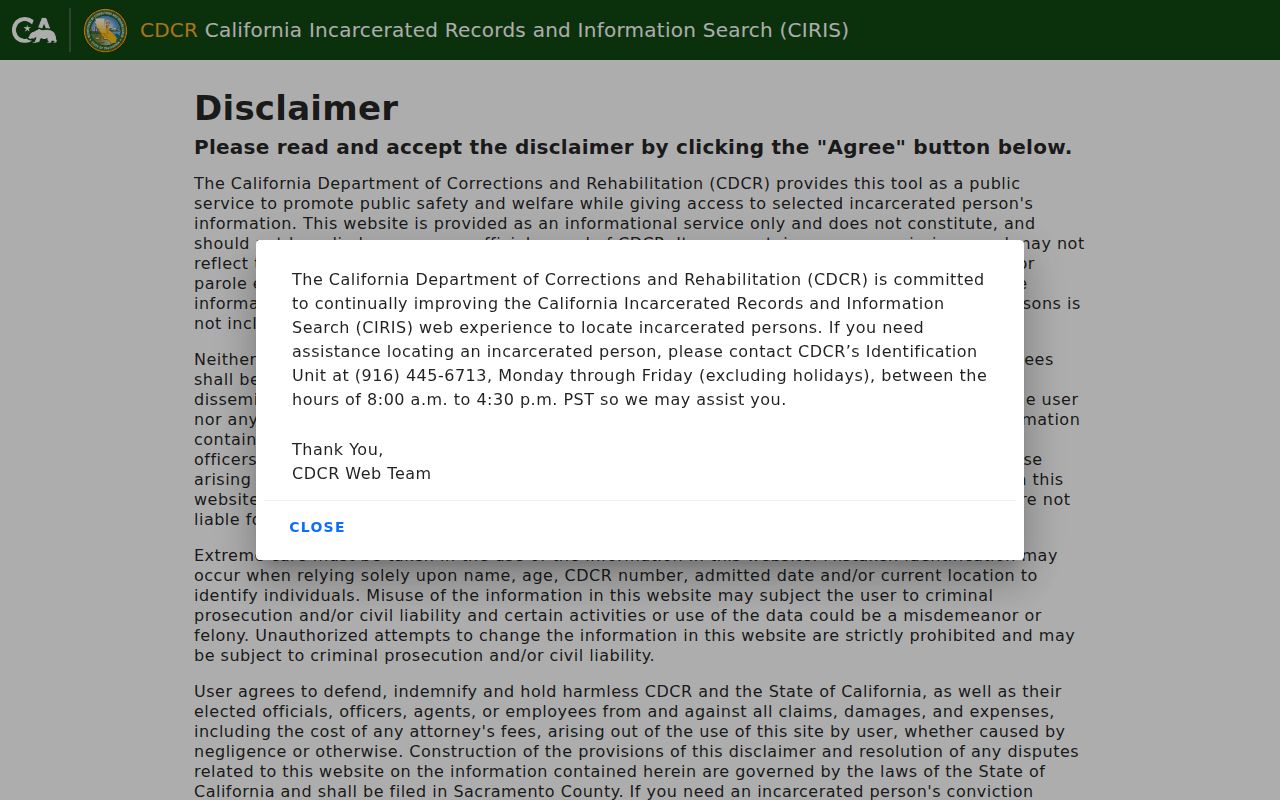
A narrow official result must stay within the source's custody, date, and legal limits.
The Sacramento Sheriff inmate search is another custody-specific source, not a block roster.
Its current or recent custody focus cannot establish who lives near the seed address.
The Megan's Law registry search makes the same point for a safety-related record that carries explicit use warnings.
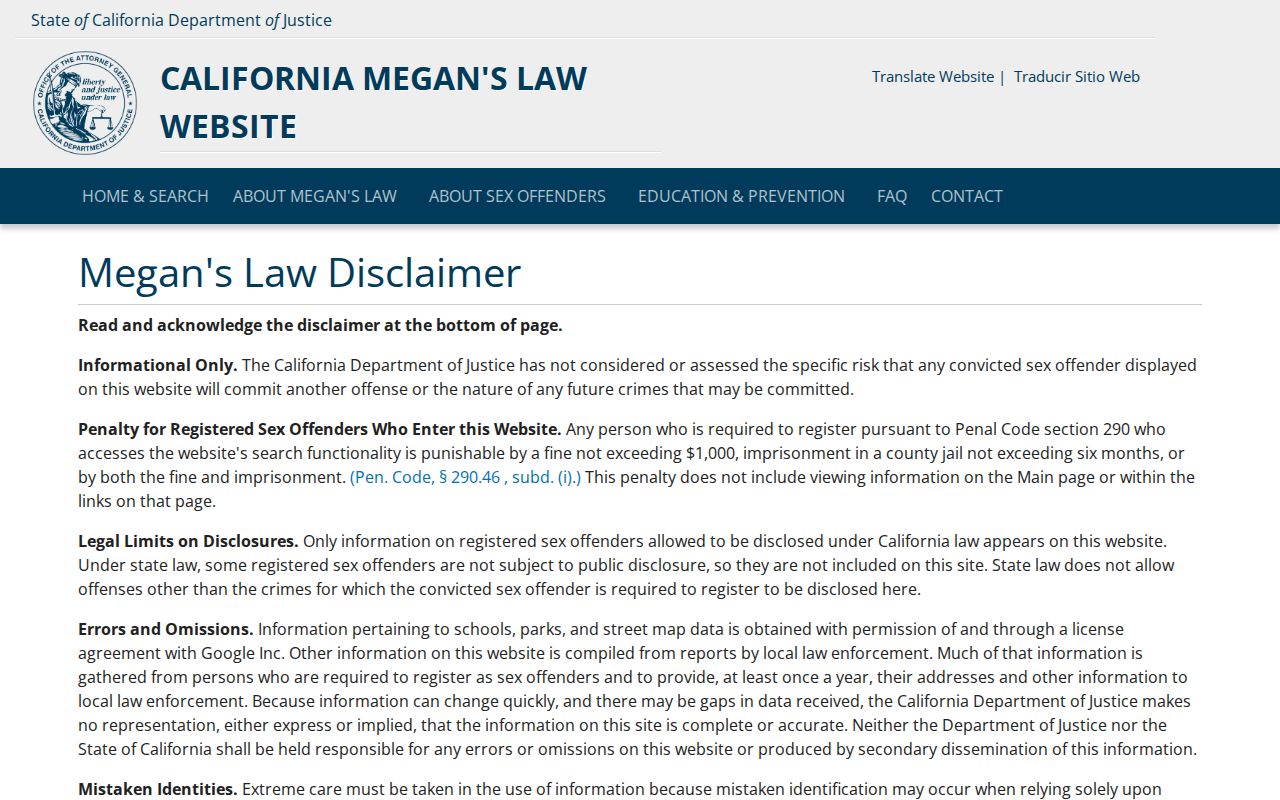
It should never be recast as a block roster or used to label an unverified person.
Rancho Cordova Neighbor Geography
Before naming a neighborhood, check the city and county boundary, postal ZIP, APN, and agency layer. Rancho Cordova's 95670 and 95742 core ZIPs do not draw the incorporated city. Mather 95655 and Sacramento postal labels can appear in nearby regional records. Parcel, school, voting, fire, sewer, flood, and planning overlays may come from different agencies.
A block research note should say which geography it used. “Adjacent Assessor parcels” is precise. “Everyone in the neighborhood” is not. The same APN can be carried into the Recorder, permit, and tax routes even when the postal city or planning description changes.
For a full named-street chain, use the Rancho Cordova street directory. For the immediate block, keep the seed parcel and each adjacent APN in a small working list and do not expand beyond the question.
Rancho Cordova Neighbor Lookup Limits
A block of public parcels is not a block of public households. Most unlisted occupants, household relationships, private utility customers, DMV addresses, protected voters, and voluntary organization members remain outside the search. Safe at Home provides substitute-address and confidential-voter protections for qualifying participants. California privacy rules and custodian-specific exemptions continue to apply even when a nearby parcel is public.
Commercial neighbor tools may merge old records or infer connections. They cannot make a restricted voter file, protected address, or sealed court record public. They also cannot turn an owner, permit applicant, or directory entry into proof of current occupancy.
| Route | Useful evidence | Hard limit |
|---|---|---|
| Official rolls and custodian records | APN, parcel geometry, recorded parties, dated permits, or an approved voter result | Each record has its own access rule and does not prove a household |
| Commercial neighbor tools | Possible leads assembled from older public and commercial data | May be stale, merged, inferred, or unable to show protected or sealed material |
Lawful personal use. Use a Rancho Cordova neighbor lookup for parcel research, family history, civic service reporting, and safe reconnection. Do not use it to stalk, harass, intimidate, or harm anyone. The custodian decides what a record confirms.
The most defensible result describes the seed address, adjacent APNs, source dates, and limits. That gives Rancho Cordova neighbors research a clear boundary and a useful record trail.